automaty gry — najczęstsze błędy w 2026
automaty gry to idealny punkt wyjścia dla osób, które chcą poznać świat gier kasynowych. Dzięki intuicyjnym zasadom i szybkiej rozgrywce, sloty stanowią doskonałą formę rozrywki bez konieczności długiego przygotowania.
Jednak nawet w tak pozornie prostych grach można znaleźć wiele niuansów. Aby w pełni wykorzystać ich potencjał, warto zapoznać się z charakterystyką automaty gry za darmo, który oferuje unikalne zasady i opłacalne funkcje bonusowe.
Zobacz też:
- Wprowadzenie do świata kasyn online: automaty gry za darmo
- Przewodnik po grze w sloty: automaty gry bezplatnie
- Warunki Bonusowe dla Graczy Slotów
- Wizualizacja automaty gry
- FAQ: Co warto wiedzieć o automaty gry za darmo?
- Odpowiedzialna gra w sloty – poradnik dla graczy
Wprowadzenie do świata kasyn online: automaty gry za darmo
The concept of purchasing a bonus is a nuanced transaction that extends far beyond a simple exchange of currency for an additional benefit. In the realm of consumer economics, a bonus is typically a value-added incentive designed to entice a purchase, reward loyalty, or differentiate a product from its competitors. When a consumer decides to buy a bonus, they are not merely acquiring an extra item or service; they are engaging in a calculated decision that weighs the perceived utility of the bonus against its cost, often within the context of a larger primary purchase. This phenomenon is particularly prevalent in industries such as retail, where buy-one-get-one-free offers, gift-with-purchase promotions, and loyalty point multipliers are common tactics. For instance, a cosmetics brand might offer a deluxe sample kit as a bonus for spending over a certain threshold, and the consumer who chooses to buy that bonus—either by increasing their cart size or paying a nominal fee—is making a strategic choice to maximize their overall satisfaction. The psychology behind this is fascinating: the bonus creates a sense of urgency and exclusivity, tapping into the fear of missing out (FOMO) and the desire for a good deal. Behavioral economists have studied how the framing of a bonus can alter its perceived value; a bonus that is presented as a limited-time offer or a member-exclusive perk often carries more weight than a perpetual add-on. Moreover, the decision to buy a bonus involves a trade-off analysis, where the consumer must consider opportunity costs—what else could that money buy? For example, a gamer might purchase a season pass that includes bonus in-game content, weighing the hours of entertainment against the price, while a frequent flyer might buy a lounge access bonus that enhances their travel experience. In the digital age, buying bonuses has become even more complex, with microtransactions in mobile games, premium subscription tiers with bonus features, and crowdfunding campaigns that offer tiered bonuses as rewards. Each of these scenarios requires a different evaluation framework. In gaming, a bonus might be a rare character skin that has no gameplay advantage but offers social status, whereas in finance, a bonus could be a higher interest rate on a savings account that provides tangible monetary returns. The act of buying a bonus also has implications for the seller; it allows businesses to segment their customer base, identify high-value consumers, and cultivate brand advocates. From a legal standpoint, buying a bonus often involves terms and conditions that govern its use, expiration, and transferability, adding a layer of complexity that consumers must navigate. For instance, a bonus offered as a gift card might have a limited validity period, or a bonus subscription might auto-renew at full price unless canceled. Understanding these nuances is crucial for consumers to avoid disappointment or hidden costs. Furthermore, the cultural context influences how bonuses are perceived; in some societies, haggling for a bonus is customary, while in others, it is seen as pushy. The rise of e-commerce has also introduced dynamic pricing and personalized bonuses, where the same product might have a different bonus based on the user’s browsing history or purchase patterns. This personalization can be both beneficial and concerning, as it raises questions about data privacy and fairness. Ultimately, buying a bonus is a microcosm of consumer behavior, reflecting broader trends in marketing, psychology, and technology. It is not just about the extra item; it is about the relationship between the buyer and the seller, the perceived value, and the emotional satisfaction of getting more for one’s money. Whether it is a free shipping threshold, a buy-one-get-one-half-off deal, or a bonus reward point multiplier, the decision to buy a bonus is a deliberate act that can enhance the overall purchase experience. However, it also requires a level of mindfulness, as not all bonuses are created equal. Some bonuses may be low-quality or irrelevant, leading to buyer’s remorse. Therefore, savvy consumers often research the bonus’s actual value, read reviews, and compare alternatives before committing. In conclusion, buying a bonus is a multifaceted decision that involves financial reasoning, psychological triggers, and strategic planning. It is a practice that is deeply embedded in modern commerce, and its significance cannot be overstated. As markets evolve and new forms of bonuses emerge—such as exclusive access to beta tests, limited-edition merchandise, or carbon offset credits—the concept of buying a bonus will continue to adapt, offering both opportunities and challenges for consumers and businesses alike. The next time you consider buying a bonus, remember that you are participating in a sophisticated dance of value creation and consumption, where every extra perk has a story, a cost, and a potential payoff that goes beyond the surface. To illustrate, consider a coffee shop that offers a loyalty card where the tenth purchase is free; the consumer who buys that bonus by purchasing nine coffees is not just paying for caffeine but investing in a future reward that fosters habit formation and brand attachment.
Przewodnik po grze w sloty: automaty gry bezplatnie
automaty gry jest często wybierane przez graczy ze względu na szybkie wypłaty.
Warunki Bonusowe dla Graczy Slotów
- 200 spinów
- 49% bonus od depozytu
- 200 spinów bez depozytu
- Wagering 45x
- Wagering 30x w 14 dni
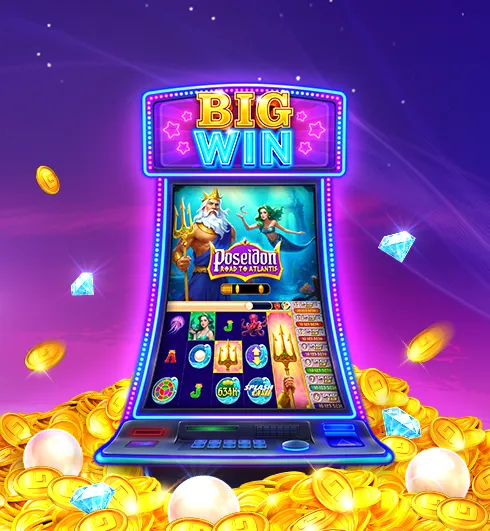
Wizualizacja automaty gry
FAQ: Co warto wiedzieć o automaty gry za darmo?
Czym są automaty online i jak działają?
Automaty online to cyfrowe wersje klasycznych jednorękich bandytów, w których wyniki każdego spin’a są generowane przez generator liczb losowych (RNG). Gracz obstawia zakład, uruchamia bębny i liczy na ułożenie zwycięskiej kombinacji symboli na aktywnych liniach wygrywających.
Co to są bębny, linie wygrywające i volatility?
Bębny to pionowe sekcje z symbolami, które obracają się podczas gry. Linie wygrywające to ścieżki, na których muszą znaleźć się pasujące symbole, aby otrzymać wygraną. Wolatylność (zmienność) określa częstotliwość i wysokość wypłat — niska daje częstsze, ale mniejsze wygrane, a wysoka rzadsze, ale większe.
ruletka na prawdziwe pieniadze online 2026 — wygrywaj częściej
Co oznacza RTP i dlaczego jest ważny?
RTP (Return to Player) to teoretyczny procent wszystkich postawionych pieniędzy, które automat zwraca graczom w długim okresie. Na przykład RTP 96% oznacza, że średnio z każdej 100 złotówki postawionej, gracz może oczekiwać zwrotu 96 zł. Warto wybierać gry z wyższym RTP, aby zwiększyć swoje szanse.
Jakie są najpopularniejsze funkcje bonusowe i jackpoty?
Funkcje bonusowe to specjalne tryby gry, takie jak darmowe spiny, mnożniki, symbole wild i scatter, czy rundy z wyborem nagród. Jackpoty to kumulujące się wygrane, które mogą być stałe lub progresywne — te drugie rosną z każdym postawionym zakładem, aż do momentu, gdy ktoś je trafi.
Kto tworzy oprogramowanie do automatów i dlaczego to ważne?
Oprogramowanie dostarczają wyspecjalizowane studia deweloperskie, takie jak NetEnt, Microgaming, Play’n GO czy Pragmatic Play. Renomowani producenci zapewniają uczciwość (certyfikowane RNG), wysoką jakość grafiki i dźwięku oraz innowacyjne mechaniki, co przekłada się na lepsze wrażenia z gry i bezpieczeństwo.
kasyno betsson — ranking bukmacherów | betsson casino
vulkan vegas logowanie — logowanie bez przeszkód | vulkan vegas casino
automaty gry organizuje cotygodniowe promocje dla stałych klientów.
Odpowiedzialna gra w sloty – poradnik dla graczy
Hazard to gra wyłącznie dla osób pełnoletnich (18+). Pamiętaj, że polskie kasyna online działają na podstawie licencji Ministerstwa Finansów, które ściśle reguluje rynek hazardu w Polsce. Jeśli czujesz, że tracisz kontrolę nad swoim graniem, skorzystaj z krajowego systemu samo wykluczenia, dostępnego u każdego licencjonowanego operatora. Pomoc i wsparcie znajdziesz w ogólnopolskim telefonie zaufania dla osób uzależnionych od hazardu – 801 889 880. Zawsze ustalaj z góry limity czasowe i finansowe, graj wyłącznie dla rozrywki, a nigdy nie próbuj odgrywać strat. Odpowiedzialna gra to przede wszystkim umiejętność powiedzenia sobie „stop”.